
Allergy Relief Near Cottonwood Park in Richardson, TX, Expert Care Close to Home
If allergies are keeping your family from enjoying Richardson’s parks and green spaces, the good news is that effective, local relief is closer than you think.
For families living and playing near Cottonwood Park in Richardson, TX, allergy season can feel like it never ends. North Texas gets hit hard in every season. Cedar pollen can spike in winter. Oak and tree pollen can ramp up in spring. Grass often follows. Ragweed can show up in late summer and fall. If your child comes home from the park with itchy eyes, a runny nose, and nonstop sneezing, you want real answers fast.
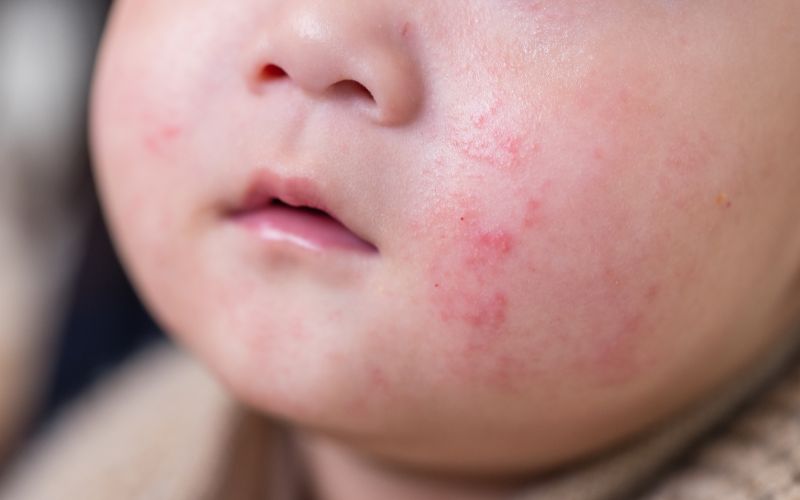
The hard part is knowing what to do next. Online searches can lead you in ten directions at once. And not every office understands the exact mix of allergens that triggers symptoms in the Richardson area. A pediatrician familiar with the area can help you connect those symptoms to common pediatric illnesses and build a clear plan instead of guessing.
In this guide, you’ll learn:
- What may be triggering symptoms near Cottonwood Park
- Which treatments help right now, and which reduce symptoms long-term
- How to choose a local allergy clinic in Richardson, TX that fits your family
Relief is possible. Let’s make the next step clear.
What Helps With Allergies Near Cottonwood Park in Richardson, TX?
Families near Cottonwood Park in Richardson, TX, deal with strong allergy seasons. These steps help most people feel better:
- Identify triggers. Common culprits include cedar, oak, ragweed, and grass pollen. Mold can also flare near shaded, damp areas.
- Start with the right OTC medicine. Non-drowsy antihistamines like cetirizine or loratadine can help with sneezing, itching, and a runny nose.
- Use a nasal steroid correctly. Fluticasone or similar sprays can reduce swelling in the nose when used daily during the season.
- Get testing when symptoms keep coming back. Skin or blood testing helps pinpoint what is causing symptoms.
- Ask about immunotherapy for long-term relief. Allergy shots or sublingual drops can reduce sensitivity over time.
- Cut indoor exposure. Keep windows closed on high-pollen days, use HEPA filtration, and rinse off after outdoor play.
Why Are Allergies So Bad Near Cottonwood Park in Richardson?
If your family feels like allergies show up every month, you are not imagining it. North Texas has multiple pollen seasons, plus weather swings that push pollen and mold around fast. Parks like Cottonwood Park are great for kids, but green spaces can also mean higher exposure.
North Texas Allergy Season — What Families Are Up Against
Richardson sits in a region known for strong seasonal allergies, and Dallas allergy patterns directly affect families here across every season. Many families notice symptoms in several “waves” across the year:
- Cedar (often Dec–Feb): Some years hit hard. Symptoms can feel intense and can mimic a bad cold.
- Oak and other tree pollen (often Mar–Apr): Itchy eyes and sneezing can jump during warm, windy days.
- Grass pollen (often May–Jun): Outdoor sports and park visits can bring flares.
- Ragweed (often Aug–Oct): Fall allergies can feel stubborn and long-lasting.
Some people also react to mold, especially after rain or during humid stretches. Mold can be a big factor near shaded areas, leaf piles, and damp soil.
Why Parks and Green Spaces Trigger Symptoms
Cottonwood Park has open grass, trees, and areas where moisture can linger after watering or rain. Those features can raise exposure in a few ways:
- Wind carries pollen. Many plants release pollen that travels on the breeze. A windy day can turn a short walk into a symptom flare.
- Grass and weeds can be strong triggers. Even if your child is not rolling in the grass, pollen can stick to shoes, clothes, and hair.
- Mold can grow near damp areas. Leaf piles, mulch, and shaded ground can hold moisture. Mold spores can irritate the nose and eyes.
- Pollen sticks to playground time. Kids touch surfaces, wipe faces, and breathe faster while running, which can make symptoms feel worse.
How Kids Are Affected Differently Than Adults
Kids can show allergy symptoms in ways that are easy to miss. A child may not say, “My nose feels itchy.” Instead, you might see habits and behavior changes:
- Frequent nose rubbing (the “allergic salute”)
- Mouth breathing, snoring, or restless sleep
- Dark circles under the eyes
- A cough that lingers, especially at night
- Trouble focusing at school due to poor sleep or congestion
Many parents assume it is “just another cold.” If symptoms last more than a week or two, repeat often, or show up in the same season every year, allergies move higher on the list.
Common Allergy Symptoms to Watch For in Your Family
Allergies can look different from person to person. Some families deal mostly with sneezing and watery eyes. Others deal with cough, congestion, and fatigue that drags on.
Seasonal Allergy Symptoms in Children
Common signs include:
- Sneezing fits, especially outdoors
- Itchy, watery, or red eyes
- Runny nose or stuffy nose
- Post-nasal drip (mucus that drips down the throat)
- Sore throat from throat clearing
- A cough that gets worse at night
- Fatigue and irritability from poor sleep
- Skin flares like eczema or hives in some children
A big clue is the pattern. If symptoms spike after park time, after mowing, or during certain months, allergies become more likely.
When to See a Doctorvs. Manage at Home
Some allergy symptoms can be managed at home, especially mild, short-term flares. A clinic visit becomes more important when symptoms are frequent, intense, or disrupting sleep and school.
Consider scheduling a visit if:
- Symptoms last more than 10–14 days
- Your child is missing sleep or school
- OTC medicine is not helping after a fair trial
- Symptoms return every season with the same pattern
- There is frequent sinus pressure or ear discomfort
- Your child has asthma or wheezing
Red flags that need prompt medical attention:
- Trouble breathing, wheezing, or chest tightness
- Lips or face swelling
- Severe hives with vomiting or dizziness
- Signs of dehydration in young children
- A high fever (allergies do not usually cause a high fever)
Allergy vs. Cold vs. COVID — How to Tell the Difference
Parents often ask: “Is this an allergy, a cold, or something else?” A quick comparison helps.
| Symptom | Allergies | Common Cold | COVID (can vary) |
| Fever | Rare | Sometimes | Sometimes |
| Itchy eyes | Common | Rare | Rare |
| Sneezing | Common | Sometimes | Sometimes |
| Runny nose | Common | Common | Sometimes |
| Body aches | Rare | Sometimes mild | Sometimes |
| Duration | Weeks to months | 7–10 days | Varies |
| Pattern | Seasonal or exposure-based | Random | Exposure-based |
If you are unsure, especially with new symptoms or fever, a medical visit helps sort it out.
Allergy Treatment Options Available Near Cottonwood Park
There is no single “best” option for every family. A good plan matches the trigger, the symptom pattern, and your child’s age.
Over-the-Counter Relief Options
OTC options can help when used correctly. Many families get partial relief, then stop too soon, or use the wrong type for the main symptom.
Common OTC categories:
- Antihistamines: Help with sneezing, itching, runny nose
Examples: cetirizine, loratadine, fexofenadine - Nasal steroid sprays: Reduce swelling inside the nose when used daily in season
Examples: fluticasone (age guidance matters) - Saline rinse or spray: Helps wash out pollen and mucus
- Eye drops for allergy itch: Useful for itchy, watery eyes (check age labeling)
Important limits of OTC care:
- It may not address the real trigger.
- It may not prevent the next flare.
- Some products are not ideal for young kids without guidance.
- Decongestants are not right for everyone and can cause side effects.
If your family needs OTC medicine most days, or symptoms still break through, it is time for a more targeted plan.
What a Local Allergy Clinic Can Do That OTC Can’t
A local allergy clinic in Richardson, TX, can move you from guessing to clarity. Key advantages include:
- Testing: Skin testing or blood testing can identify triggers with more precision.
- A full plan: Medication timing, dose guidance, and symptom tracking.
- Prescription options: Stronger nasal sprays or other meds when needed.
- Asthma connection: Allergies and asthma often overlap. Treating one can improve the other.
- Referrals when needed: ENT support for chronic sinus issues or recurring ear problems.
Allergy Immunotherapy — The Long-Term Solution
If allergies affect your family year after year, immunotherapy may be worth discussing. The goal is to reduce sensitivity over time, not just cover symptoms.
Two common forms:
- Allergy shots: A series of injections over time that build tolerance.
- Sublingual immunotherapy(drops or tablets): Medicine taken under the tongue in certain cases.
What families should expect:
- Immunotherapy is a long-term plan.
- Many people start noticing improvement within months, with stronger results over time.
- A full course may take several years, depending on the plan.
If you are searching for immunotherapy treatment in Richardson, TX, this is a conversation worth having early, before symptoms keep disrupting sleep and school.
Pediatric Allergy Care — What Parents Should Know
Parents often worry that testing or treatment will be scary for a child. A good pediatric-focused plan keeps things calm and predictable.
Age considerations
- Testing and treatment depend on the child’s age, symptoms, and health history.
- Your provider can help decide what fits your child right now.
How to prepare your child
- Explain it in simple terms: “We’re figuring out what’s making your nose and eyes feel bad.”
- Bring a comfort item for younger kids.
- Ask the clinic what medicines to stop before testing, since some antihistamines can affect results.
Questions to ask at the visit
- What triggers are most common around Richardson and Cottonwood Park?
- Do symptoms suggest seasonal allergies, indoor allergies, or both?
- What is the step-by-step plan for the next 4–8 weeks?
- When should we move from symptom control to longer-term treatment?
How to Reduce Allergy Exposure Near Cottonwood Park
You cannot remove pollen from North Texas. You can reduce how much your family carries home.
Outdoor Tips for Families
Small changes can lower symptoms without taking away park time.
- Pick the best time of day. Early mornings can bring higher pollen in many seasons. Midday or after a good rain can feel easier for some families.
- Use simple barriers. Sunglasses, a hat, and keeping hands off the face help reduce eye irritation.
- Rinse after outdoor play. A quick shower and hair rinse can remove pollen.
- Change clothes right away. Pollen sticks to fabric. This helps a lot for kids who roll around on grass.
Indoor Allergy-Proofing Your Home
Indoor control matters because pollen follows you inside.
Home checklist:
- Keep windows closed during high pollen days
- Run the HVAC with a clean filter and change it on schedule
- Add a HEPA air purifier in bedrooms if symptoms are frequent
- Wash bedding weekly in hot water
- Vacuum with a HEPA-filter vacuum
- Wipe down surfaces during peak season
- Keep stuffed animals clean and limit them on the bed if congestion is severe
School & Daycare Considerations for Allergy-Prone Kids
School is where symptoms can snowball. Kids may not ask for help early. A simple plan helps teachers help your child.
- Tell teachers the main symptoms your child gets (eye itch, cough, congestion)
- Ask about school rules for keeping medicine available
- Send tissues and gentle wipes if your child gets raw skin around the nose
- If your child has asthma, make sure the action plan is updated and shared
Finding the Right Allergy Clinic Near Cottonwood Park in Richardson
Typing “allergist near me Richardson” can bring a long list. A few practical filters help you choose well.
What to Look for in a Local Allergist
A strong clinic fit often includes:
- Clear experience with pediatric patients
- Testing options (skin testing and blood testing when appropriate)
- A treatment plan that explains what to do week by week
- Good scheduling options for school and work routines
- Insurance compatibility and transparent billing expectations
- Staff who explain things in plain language
If you are also searching for an ENT doctor in Richardson, TX, because of sinus infections, snoring, or ear problems, ask how the clinic coordinates with ENT care when needed.
Questions to Ask Before Booking Your Appointment
Use this short list to make the call easier:
- Do you see pediatric patients?
- What allergy testing methods do you use?
- Do you offer immunotherapy?
- How do you decide between meds, testing, and immunotherapy?
- What should we stop before testing?
- How soon can we expect improvement?
Why Choosing a Local Specialist Matters
Local care is helpful because:
- Richardson has its own seasonal pattern of triggers.
- Long-term care works better when follow-ups are easy to schedule.
- Families often need ongoing guidance for school plans and symptom changes.
If you want a steady plan during peak season, a nearby clinic makes that simpler.
FAQs: Allergy Relief Near Cottonwood Park in Richardson
What is the fastest allergy relief for kids near Cottonwood Park in Richardson?
Fast relief often starts with the right antihistamine and a consistent plan during peak season. If symptoms keep returning, visiting a pediatrician in Richardson helps confirm triggers and adjust treatment safely for your child’s age.
How do I know if my child needs allergy testing in Richardson?
An allergy test becomes useful when symptoms last more than two weeks, repeat in the same seasons, disturb sleep, or keep breaking through OTC medicine. Testing helps you stop guessing and focus on the real trigger.
Are allergy shots available in Richardson, TX?
Many allergy practices offer allergy shots. They can be a good long-term option when symptoms are frequent and affect school, sleep, or asthma control. A visit helps confirm if your child is a good candidate.
Can allergies cause a cough that lasts for weeks?
Yes. Post-nasal drip can trigger a lingering cough, especially at night. If the cough keeps returning, or if there is wheezing, your child should be evaluated to rule out asthma or another issue.
What helps with cedar fever relief in Richardson?
Cedar season can feel intense. A daily plan during peak weeks can help, including nasal steroid use, antihistamines when appropriate, and reducing exposure after outdoor time. If symptoms are severe each winter, ask about a longer-term prevention plan.
Should I keep my child home from school because of allergies?
Most kids can attend school with a plan. If symptoms are causing poor sleep, a severe cough, or uncontrolled asthma, it may be time to adjust care. Talk with your clinic about school-safe medication options and an action plan.
A Simple Plan for Your Family
If allergies are getting in the way of normal life, keep it simple:
- Track symptoms for 7 days. Note outdoor time, sleep quality, and the main symptoms.
- Use the right tools at the right time. Many meds work best when started before symptoms peak.
- Reduce exposure at home. Small changes often create big improvements.
- Get a plan if symptoms keep returning. Testing and targeted care can save months of trial and error.